Open-world RPGs: how to spend your first ten hoursBig maps reward patience, not speed. The order in which you spend early resources decides whether the mid-game feels generous or punishing.
Tactical shooters: the fundamentals that actually transferCrosshair placement, sound, and economy. Three habits separate a player who improves from one who blames the matchmaking.
Battle royale: winning the rotation, not the firefightMost players lose to the circle and to third parties, not to aim. Position decides more fights than reflexes do.
Roguelikes: how to build a run instead of hoping for oneA good run is assembled from the first three choices. Learn to read the offer screen and the RNG stops feeling random.
Simulation and management games: designing your own paceThese games have no fail state you cannot walk back. The skill is deciding what you are optimising for before you optimise.
Survival crafting: getting through the first three daysFood, shelter, and a storage system. In that order. Everything else is a distraction until those three hold.
Mobile strategy games: spending the free currency wellThese games are about a budget, not a battle. What you skip matters more than what you buy.
Match-3 and puzzle games: playing for score, not just clearsClearing a level and clearing it well are different skills. Cascades, bottom-row priority and when to spend a booster.
Gacha RPGs: planning pulls without regretsThe system is designed to reward patience. A simple rule set turns a frustrating mechanic into a predictable budget.
Racing and sports games: the settings and habits that matterAssists off is not automatically faster. Learn the line, then remove the aids one at a time.
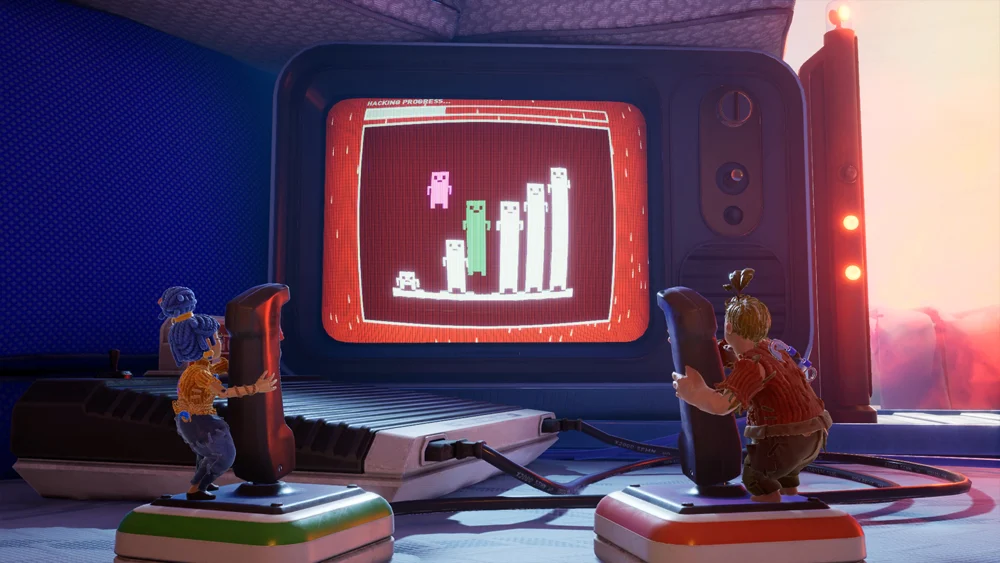
Co-op night: picking games that work for mixed skill levelsThe right co-op game forgives a weak player without boring a strong one. Here is what to look for on the store page.
Elden Ring: grace, runes and early explorationOfficial guidance explains recovery at grace and the return of most ordinary enemies. Treat resting as a route reset.
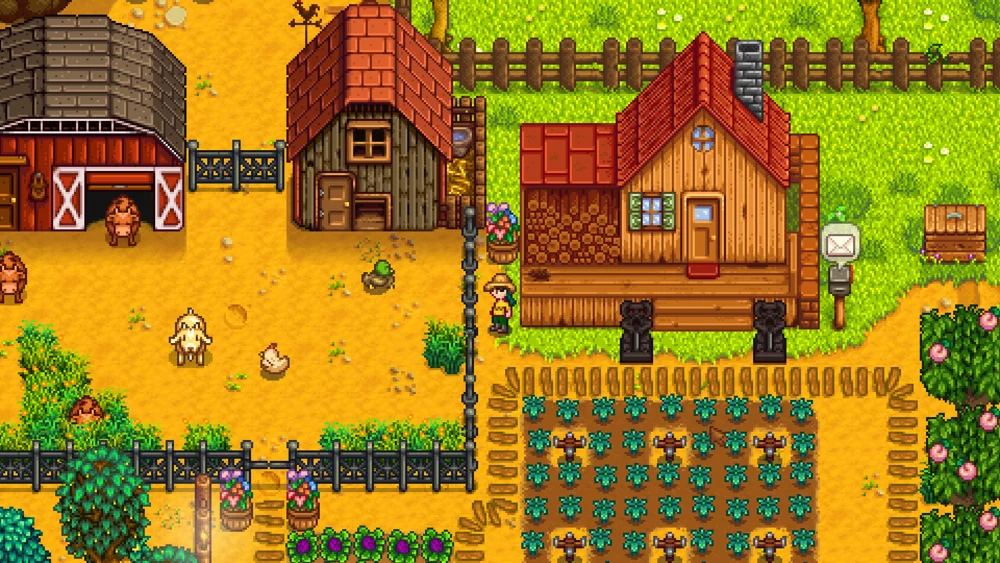
Stardew Valley: crops, energy and a daily routineThe getting-started reference describes farming, fishing, foraging and other paths. Pick a favorite instead of treating an efficiency checklist as compulsory.
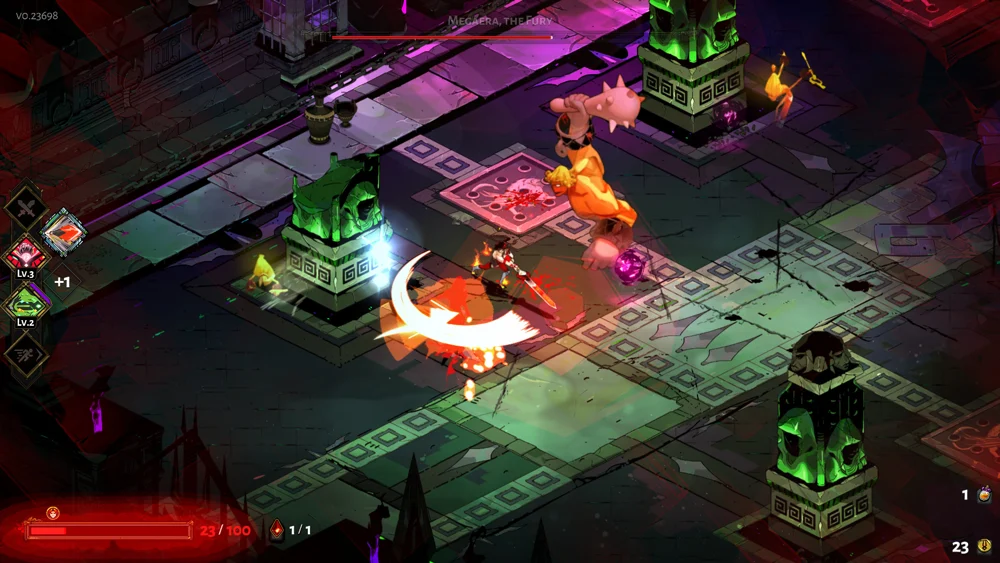
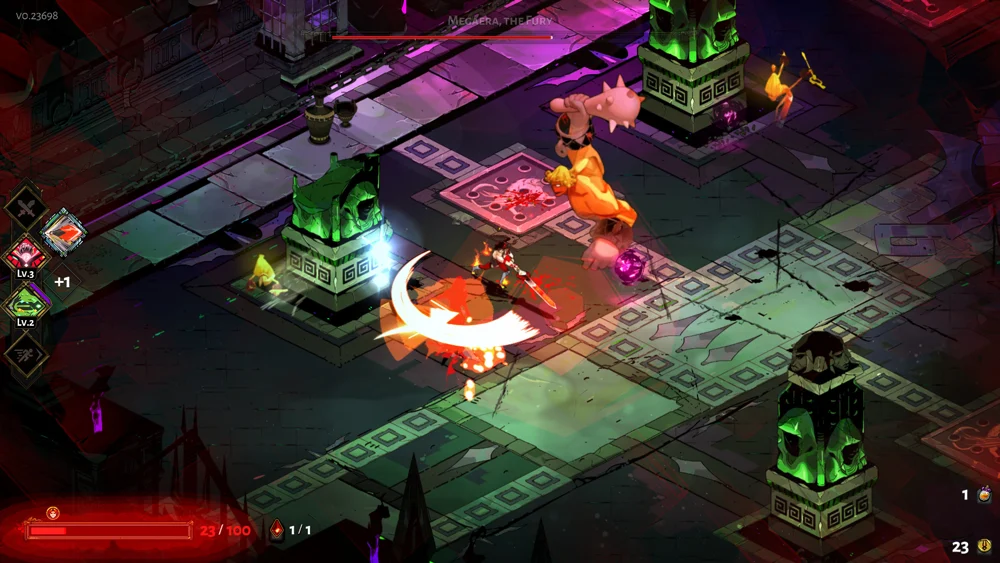
Hades: how to get your first clearWhich mirror upgrades to buy first, how to read boons, and why death is the progression system.
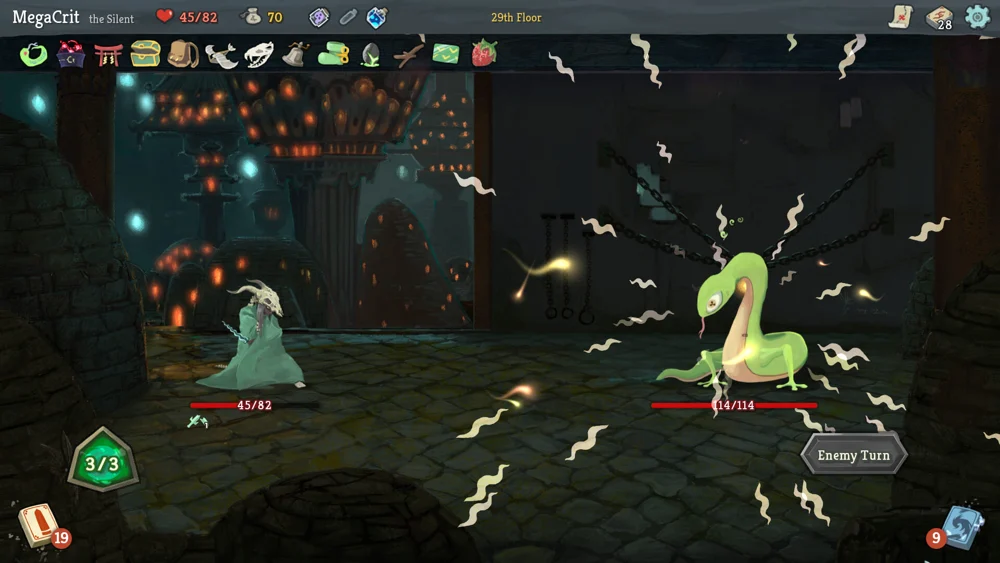
Slay the Spire: deck discipline over card powerWhy a twenty-card deck beats a forty-card one, and how to decide what to remove at every shop.
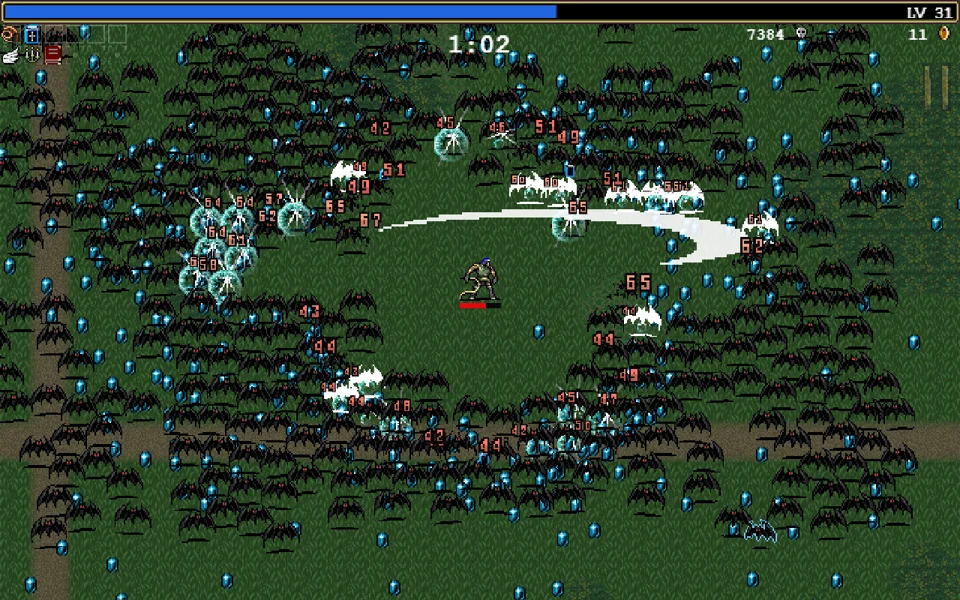
Vampire Survivors: a clean unlock orderWhich unlocks to chase first and how to avoid the trap of buying everything at once.
Palworld: base placement and the early tech orderWhere to build, what to automate first, and how to keep the base running while you explore.
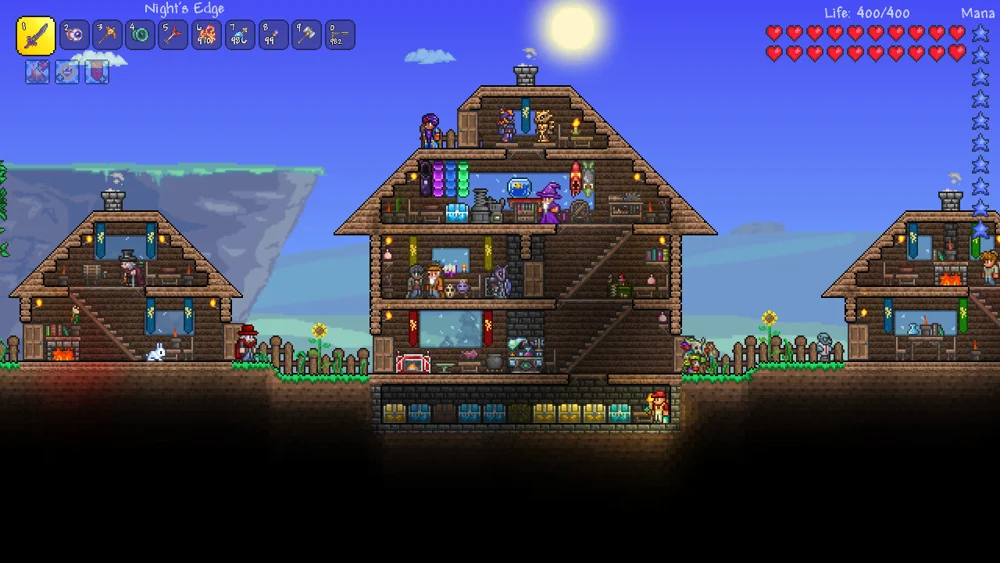
Terraria: a progression path that does not stallClass choice, arena building, and the boss order the game expects you to follow.
Valheim: preparing properly for each biomeThe biome jump is where runs stall. What to have built before you sail for the next one.
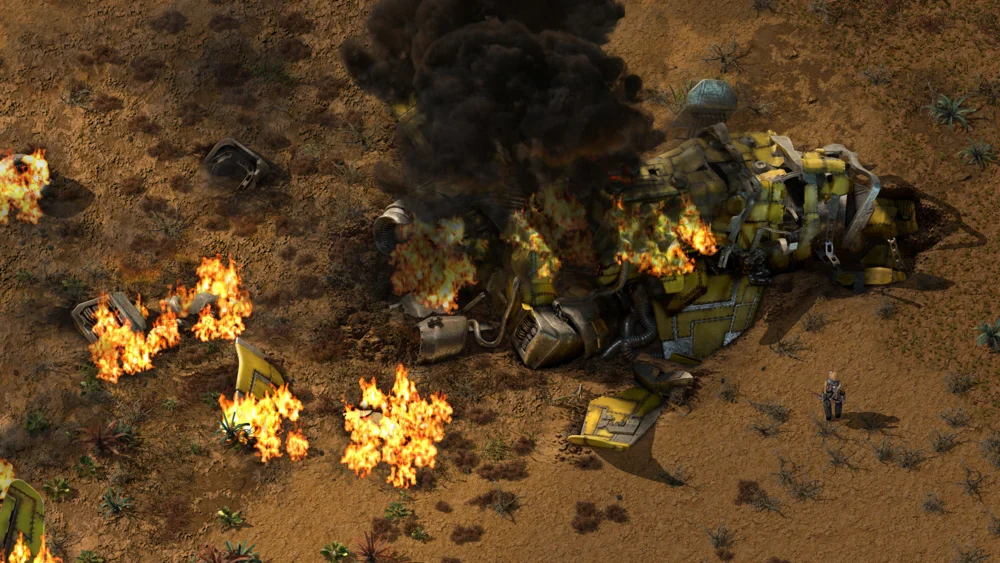
Factorio: getting past the first factory without a rebuildRatios, bus layout, and the two decisions that decide whether your base scales or collapses.
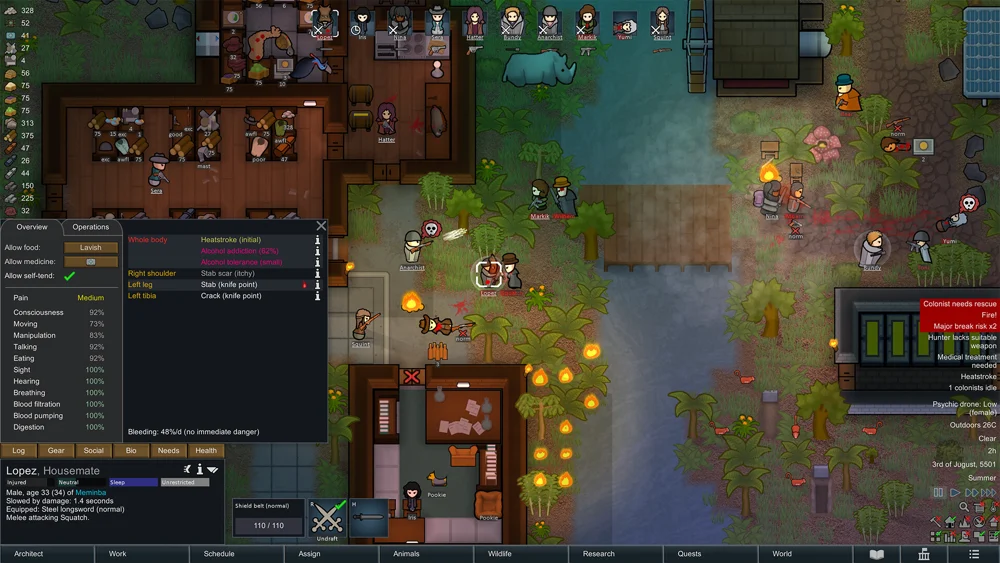
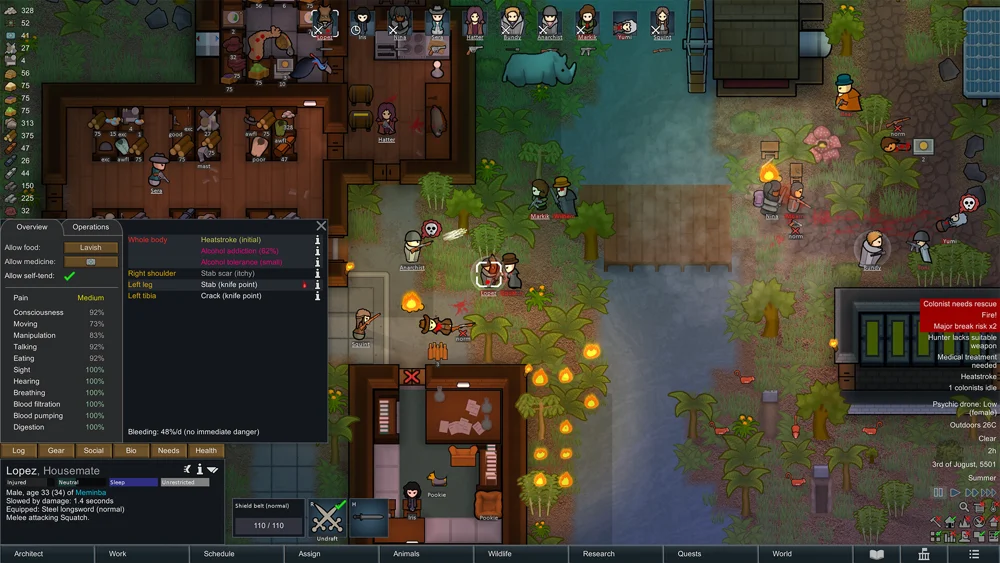
RimWorld: keeping the first colony aliveWork priorities, the order to build rooms, and how to survive the first raid and the first winter.
Rocket League: rotation, boost, and the first hundred hoursWhere to be when you are not hitting the ball, and why boost management is the real skill.
Cyberpunk 2077: build order and the early-game economyWhich attribute to raise first, what to craft, and how to avoid the mid-game money squeeze.
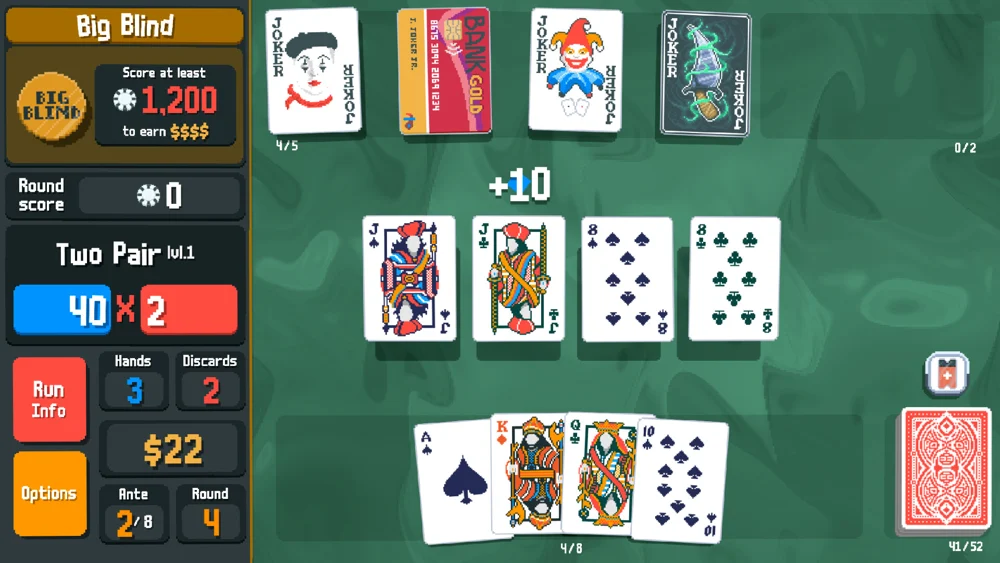
Balatro: reading the scoring orderWhy which joker sits where decides your score, and how to plan around the blind requirements.
Helldivers 2: squad basics that stop the wipesStratagem discipline, extraction timing, and how to avoid team-killing your own squad.
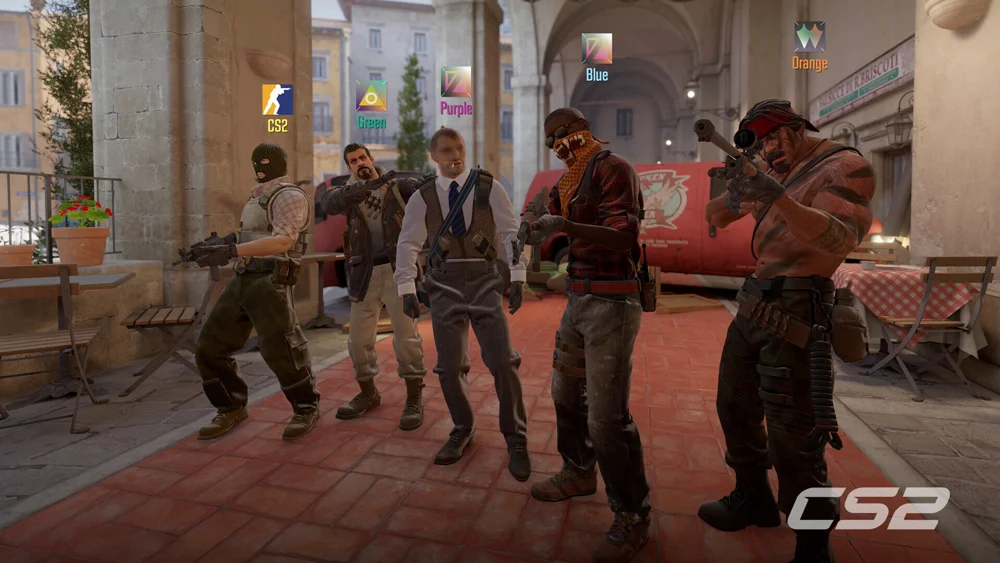
CS2: a practice plan for your first matchesFor desktop CS2 beginners. The store lists multiplayer, Workshop support and in-app purchases; this is not a weapon-stat or eligibility guide.
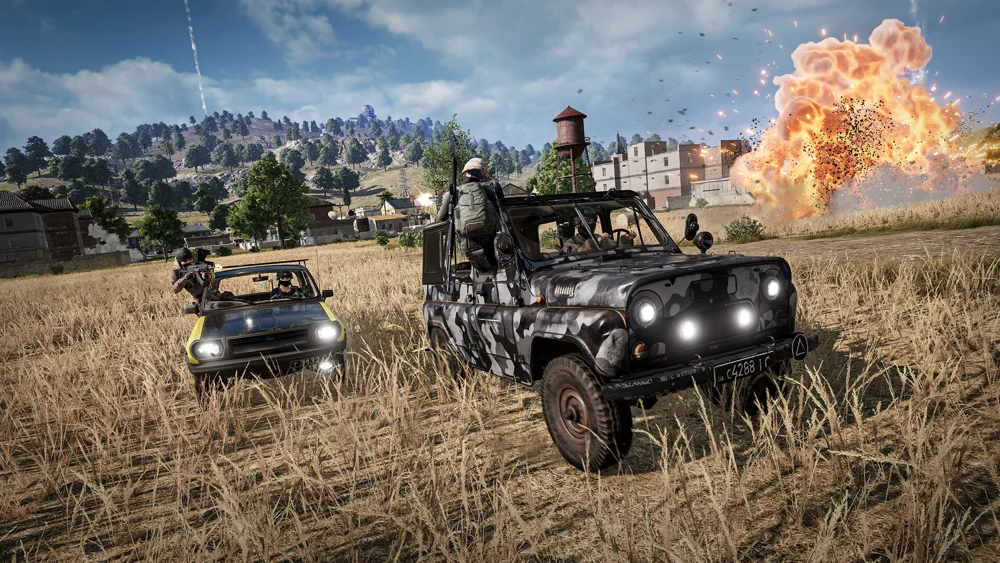
PUBG: a first-drop and rotation checklistThis guide covers PC PUBG, not PUBG Mobile. The official 42.2 notice describes revamped onboarding; follow the current client for menus and reward deadlines.
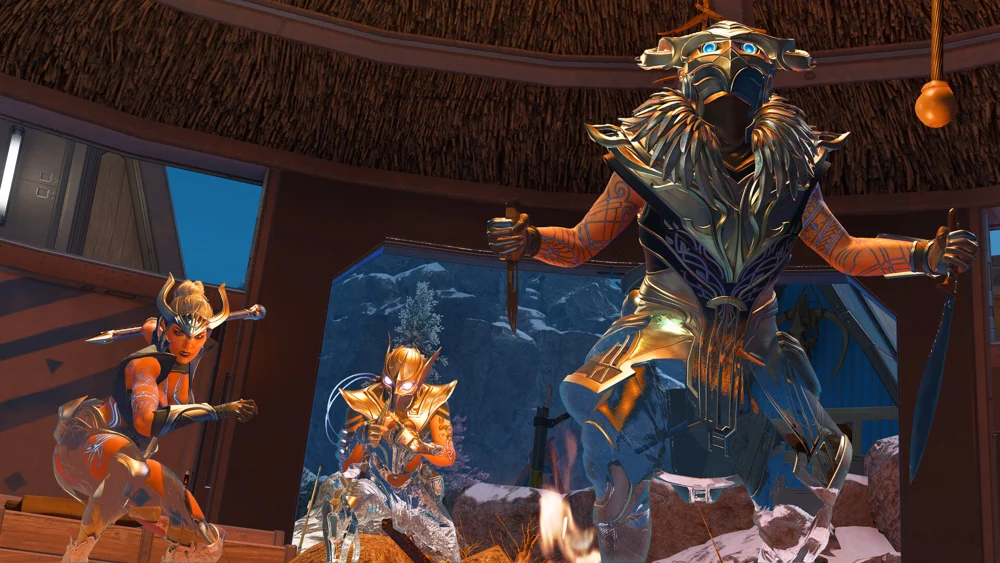
Apex: weapon practice and squad movementFor desktop Apex Legends, not the discontinued mobile edition. Use the official store and help pages to check current systems.
Portal 2: solo or co-op — which campaign should you start with?The solo story and two-player campaign are separate. Choose the mode around how you want to solve puzzles, not the multiplayer label alone.
Stardew Valley vs Terraria: farming routine or sandbox adventure?Both reward returning to a world, but they ask for different kinds of attention. Compare the activity you want before comparing the price.
Vampire Survivors: what should you focus on in your first runs?A focused first-run plan, drawn from the official starting tips, without promising a particular build or a guaranteed clear.